
Why are Nigerian hotels still resisting technology — and what is it costing them?
Modern hospitality now relies heavily on technology. It influences hotel operations management, guest engagement, and revenue generation. Yet across many Nigerian hotels, there’s still a quiet resistance. Not always clear-cut. Sometimes not on purpose. But there is very real resistance to technology.
You see it in everyday operations.
A front desk is still juggling handwritten logs alongside a computer system.
A manager is delaying software adoption because “what we are using still works.”
A team reverting to manual processes a few weeks after a system was introduced because it feels easier.
On the surface, nothing looks broken, but underneath, inefficiencies begin to build. This resistance is rarely about rejecting technology outright. It’s more subtle than that.
It’s hesitation.
It’s uncertainty.
It’s the comfort of familiar systems — even when they are limiting.
A lot of hotel owners are accustomed to operating their companies in a particular manner. There is frequently no immediate pressure to make changes if business is going well and visitors are arriving. Others are aware that they need better systems, but they are unsure of where to begin, what to select, or how to put them in place without interfering with regular business operations. And in some cases, past experiences make things worse.
A system was introduced before, but it wasn’t properly set up. Staff are not properly trained. Support was missing. So instead of solving problems, it created new ones. So, the conclusion becomes: technology is complicated.
Additionally, some situations are made worse by prior experiences. Without structured systems, hotels struggle with:
- Inconsistent or incomplete records
- Limited visibility into bookings and revenue
- Delayed or reactive decision-making
For instance, a hotel might not be aware of inconsistencies between reservations and payments right away; pricing decisions might be based on guesswork rather than real demand trends; or reports might not be available until the end of the day or, worse, the end of the month. Opportunities may have already been lost by then.
The difference is evident on a global scale.
Real-time visibility is a feature of hotels that fully implement integrated systems. They precisely manage operations, strategically modify pricing, and monitor performance as it occurs. According to studies, these systems can greatly reduce errors and increase operational efficiency by up to 20% (Can we include a link to one of such studies here).
The difference isn’t effort. It’s clarity. Breaking this cycle of resistance, however, is not just about introducing new software. It’s about how that technology is introduced.
Without proper setup, systems feel overwhelming.
Without training, staff lose confidence.
Without support, adoption fails.
Therefore, things that should make operations easier are avoided. However, the experience is entirely different when done correctly.
Imagine a system where bookings, payments, and reports are all in one place.
Where staff can confidently use tools without second-guessing.
Where decisions are based on real data, not assumptions.
At that point, technology begins to function silently in the background and ceases to feel like a burden. The correct strategy is crucial in this situation.
Hotels can handle reservations, billing, housekeeping, and reporting from any location with solutions like eZee Absolute (Cloud PMS), eliminating complicated installations and IT stress. Everything is updated in real time and is centralized.
With solutions like eZee Absolute (Cloud PMS), hotels can easily manage everything from reservations and billing to housekeeping and reporting — all from anywhere, without the headache of complicated installations or IT worries. It’s all connected in one place and updates in real time.
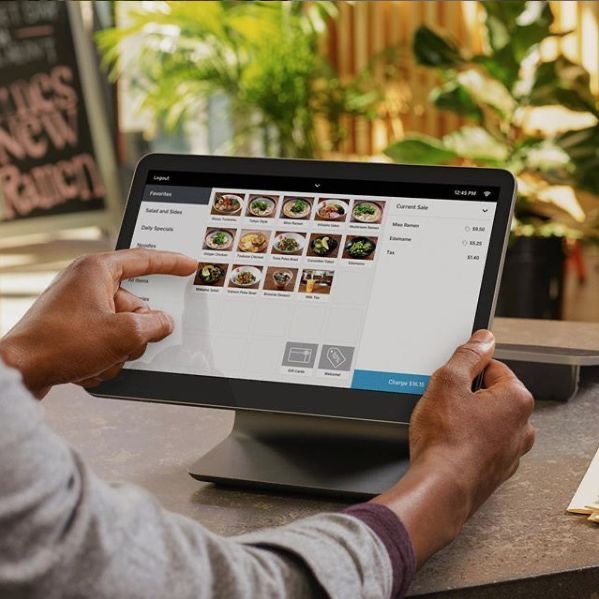
When it comes to food and beverage operations, eZee Optimus (POS) fills the gaps by capturing and tracking every transaction instantly, so nothing gets missed. For hotels selling rooms across different platforms, eZee Centrix keeps rates and availability in sync automatically, saving time and avoiding costly mistakes.
But it’s not just about the technology. The real difference comes from the support that guides hotels through implementation and staff training, making sure these tools are not just set up, but truly put to work. Because the challenge isn’t the technology itself — it’s how hotels experience and use it.
Until that experience improves, many hotels will keep falling short of their true potential — not because there’s no demand, but because they don’t have the right systems in place to support sustainable growth.
The future of hospitality is already here, and it’s all about smarter, simpler, and more connected solutions.
The only question is:
How long will you wait before adopting it?