
Walk into many hotels across Nigeria and everything looks successful. Guests are checking in, rooms appear fully booked and the lobby is lively. But behind the scenes, the story is often different. Many busy hotels struggle to make real profit, because the money coming in isn’t enough to cover rising costs and inefficiencies. Hotel profitability depends on far more than full rooms. This guide explains the 6 hard truths behind “busy but broke” hotels and the proven steps to turn occupancy into profit.
6 Reasons Busy Nigerian Hotels Still Struggle With Profitability
1. High operating costs
Running a hotel in Nigeria is expensive, and costs are the first threat to hotel profitability. Electricity, diesel for generators, staff salaries, food supplies, maintenance and security add up quickly.
Example: a 50-room hotel in Lagos may be well occupied during the week and generate strong room revenue on paper. But after utilities, wages, food and beverage, repairs and booking commissions, the profit left over can be a small fraction of what the owner expected.
Key point: High occupancy does not always mean high profit when operating costs keep rising.
2. Heavy dependence on online booking platforms
Online travel agencies help with visibility and bookings, but they charge commission on every reservation — often in the range of 15% to 25%. Even when rooms are filled through these platforms, the hotel keeps much less than the room rate. Growing direct bookings through your hotel website and managing OTAs with a channel manager helps protect margins.
Key point: A hotel may look fully booked while a large share of its income goes to third-party platforms.
3. Poor pricing strategy
Some hotels charge the same room rate every day, regardless of demand. During conferences, festivals and busy travel seasons, demand rises sharply, but fixed prices miss the chance to earn more. In slow seasons, the same price may discourage guests. Learn how hotel dynamic pricing fixes this.
Key point: Without flexible, demand-based pricing, hotels leave revenue on the table.
4. Waste and inefficient operations
A hotel may buy food for 100 guests a day but serve only 70, wasting the rest. Too many staff may be scheduled on quiet shifts, and electricity use may go unmonitored. Good hotel inventory management reduces this waste.
Key point: Small operational mistakes gradually eat into profit.
5. Decisions made without proper data
In some hotels, managers hire staff, order supplies or run promotions based on guesswork rather than past sales or guest behaviour. Over time, these decisions increase costs without improving revenue. See why data-driven decision making gives hotels a competitive advantage.
Key point: Without data, hotels keep spending in areas that do not generate returns.
6. Limited revenue sources
Many hotels rely almost entirely on room bookings. Yet restaurants, bars, event spaces, spas and extra guest services can all generate income. When these are underused or poorly tracked, valuable revenue is lost.
Key point: Hotels that depend only on rooms miss out on multiple income streams.
Is your hotel busy but not as profitable as it should be? Book a free demo and we will show you where your profit is going. Book a demo →
Busy Does Not Always Mean Profitable
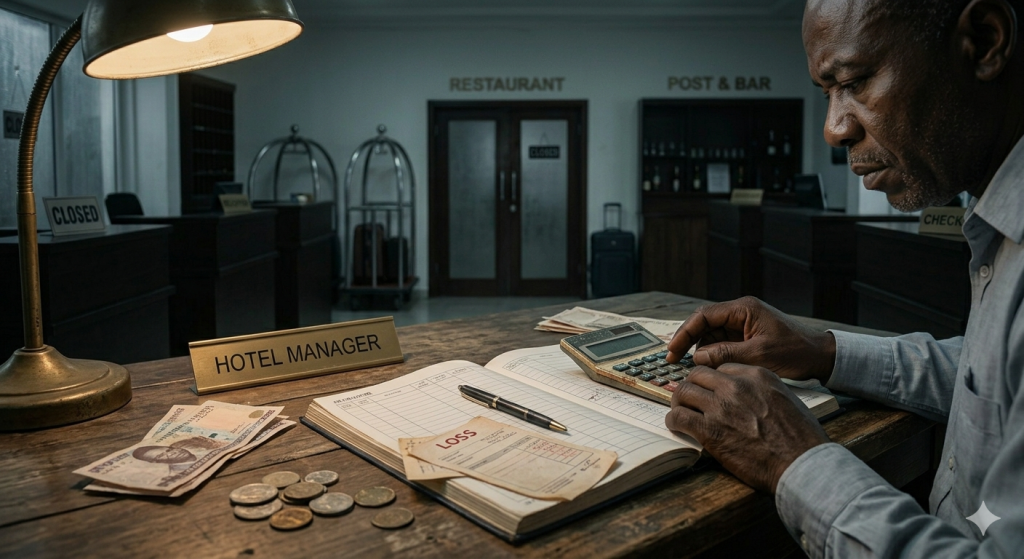
One of the biggest misconceptions in hospitality is that a busy hotel is automatically a successful one. In reality, hotel profitability depends on cost control, smart pricing and efficient operations as much as occupancy. A hotel can have full rooms and still struggle if these areas are not managed — often because of hidden hotel revenue leaks. It’s the same reason we tell owners to stop blaming low hotel occupancy.
How to Improve Hotel Profitability: 6 Practical Steps
- Control operating costs while maintaining service quality.
- Adjust room rates based on demand and seasonal trends.
- Encourage direct bookings to reduce reliance on third-party platforms.
- Use data and analytics to guide decisions, supported by real-time hotel reporting.
- Develop extra revenue streams such as events, restaurant, bar and guest services.
- Implement a modern hotel management system to monitor operations and financial performance.
How eZee and AOG Consulting Improve Hotel Profitability
AOG Consulting implements eZee hospitality solutions for hotels across Nigeria and Africa, bringing every part of your operation into one connected system:
- ✅ eZee Absolute (cloud PMS) for reservations, billing, housekeeping and real-time reports.
- ✅ eZee Centrix (channel manager) to manage OTAs and reduce overbookings.
- ✅ Online booking engine to grow commission-free direct bookings.
- ✅ eZee Optimus (POS and inventory) to track restaurant and bar sales and control stock — and avoid common restaurant POS mistakes.
- ✅ Setup, training and ongoing support from our local team.
Turn your busy hotel into a profitable one. See the full eZee suite in action on a free, no-obligation demo. Book a demo →
Frequently Asked Questions
Why is my hotel busy but not profitable?
Common causes are high operating costs, heavy OTA commissions, fixed pricing, waste, decisions made without data and reliance on room revenue alone.
How can I improve hotel profitability quickly?
Start by tracking every transaction, controlling discounts and stock, increasing direct bookings and adjusting rates to demand.
Do OTAs reduce hotel profit?
They bring valuable bookings but charge commission. Balancing OTAs with direct bookings through your own website protects margins.
Can a hotel management system really increase profit?
Yes. It supports hotel profitability by reducing revenue leakage, improves pricing decisions and gives owners real-time visibility of costs and income.
Final Thoughts: Occupancy Alone Doesn’t Pay the Bills
Many Nigerian hotels stay busy all year but still struggle financially, because hidden costs, inefficient management and missed revenue opportunities reduce their earnings. By combining better planning, smarter pricing and modern technology, you can move beyond simply being busy and improve hotel profitability for good.