
Real-time hotel data matters most at the moments you least expect. It’s 4 pm on a Thursday, and a company calls asking for 20 rooms next week. Can you say yes? At what rate? Will you still have rooms for your regulars? If the answer lives in three spreadsheets and one colleague’s memory, you’ll probably say “let me get back to you,” and that group may book somewhere else by the time you do.
That’s the whole idea in a nutshell. Good decisions need current information, and in a hotel, “current” means today, not last week.
Why Most Hotels Still Work Without Real-Time Hotel Data
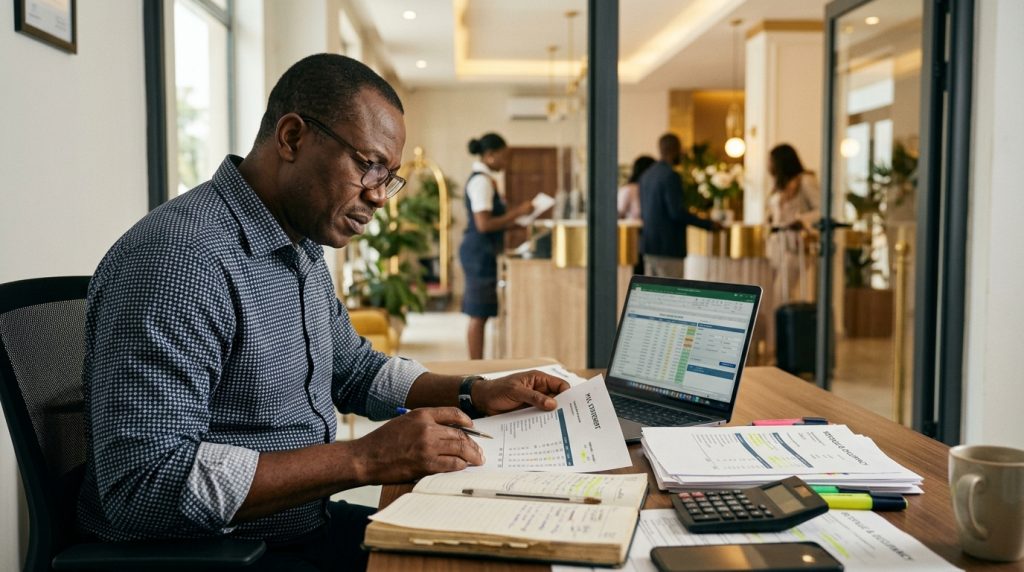
You might assume everyone has this sorted by now. They don’t. Four in five hotels lose one to two working days every week assembling spreadsheets instead of acting on what’s in them, and only 15% have fully automated reporting.
The result is predictable. By the time a weekly workbook is ready, a rate mismatch or a sudden surge in bookings is already old news. You end up reviewing the past instead of steering the present.
5 Ways Real-Time Hotel Data Helps Managers Make Better Decisions
Here are five ways real-time data changes that.
1. Price rooms while demand is moving
Demand doesn’t wait for your monthly meeting. Dynamic pricing adjusts room rates in real time based on demand, competitor prices, and market trends, and your PMS data is what makes it possible. If a conference gets announced nearby on Tuesday, you want your rates to reflect it on Tuesday.
Try this: Each morning, glance at tonight’s and the next seven nights’ bookings. If a date is filling faster than usual, hold your rate. If it’s quiet, consider a targeted offer.
2. Catch problems the same day
A late room clean, a double booking, a charge that didn’t post: small problems are cheap to fix on the day and expensive a month later. Modern property management systems give real-time insight into occupancy, housekeeping schedules, and maintenance needs, so managers can adjust quickly and keep things running smoothly.
Try this: Start your day with a quick check of arrivals, room status, and open maintenance issues. Five minutes here saves hours later.
3. Staff and stock to match what’s actually coming
Overstaffing wastes money; understaffing hurts guests. Analytics can help align staffing, inventory, and maintenance with expected occupancy levels, so you’re not guessing how many people to roster or how much to order for the restaurant.
Try this: Before finalizing next week’s roster, compare it against expected arrivals and events. Adjust where the two don’t match.
4. Know which channels actually earn you money
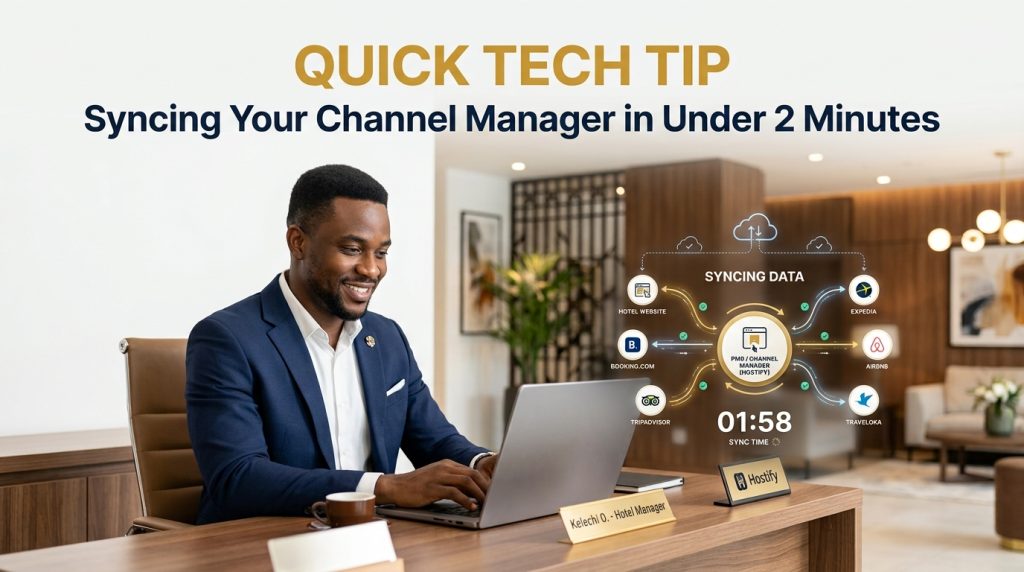
Not all bookings are equal. A good reporting setup answers simple questions quickly, like which channel delivered the most profitable revenue yesterday. A real-time channel-mix view that refreshes through the day let you shift marketing spend faster, instead of finding out at month-end that a channel was costing more than it earned.
Try this: List your top three booking sources and what each cost you per booking. Check it weekly, not yearly.
5. Get your time (and your team’s time) back
This might be the most underrated benefit. When reports build themselves, your people stop being spreadsheet assemblers and go back to being hosts, problem-solvers, and decision-makers. When data is accessible and shared across the hotel, decision cycles get shorter, and meetings become about what to do, not whose numbers are right.
Try this: Ask your team how many hours a week go into building reports. That number is your potential time saving.
Still waiting days for your hotel reports? Book a free demo and see real-time hotel data from your rooms, restaurant and channels on one eZee dashboard. Book a demo →
How to Get Started With Real-Time Hotel Data
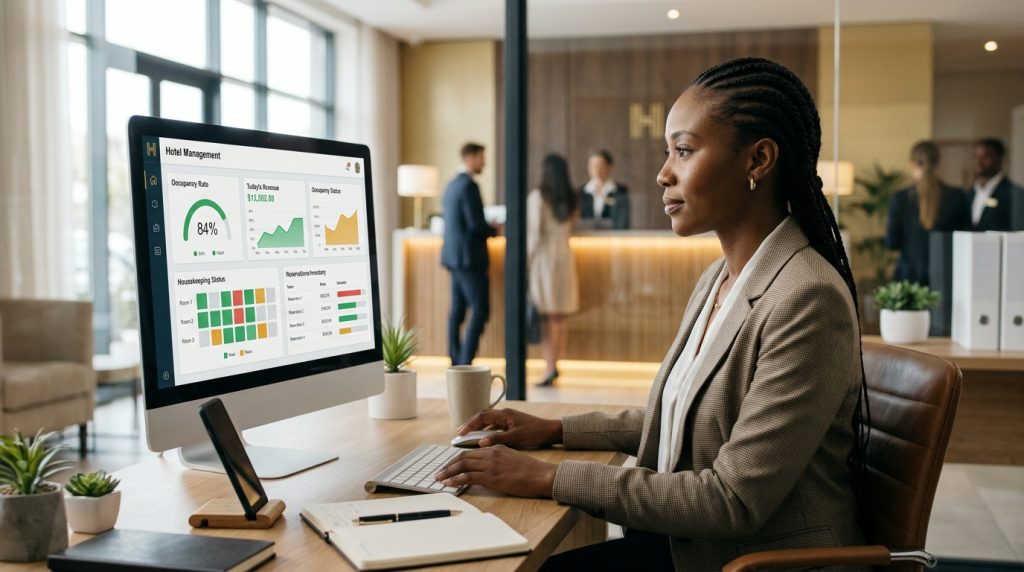
You don’t need a giant budget or a data scientist to begin. The industry is moving from manual spreadsheets and fragmented reports toward centralized analytics that show revenue, sales, and operations in real time. What does matter is that your systems share data. Fragmented systems limit the impact of even the best analytics, so connection comes before fancy dashboards.
The Real-Time Hotel Data Every Manager Should Watch
You don’t need dozens of reports. A short daily dashboard covering these numbers is enough to run the hotel with confidence, spot problems early and give every department the same, accurate picture of how the business is performing today:
- Occupancy and pick-up: rooms sold tonight and over the next 7, 30 and 60 days, compared with last year.
- ADR and RevPAR: whether your pricing is keeping pace with demand. See our guide to hotel dynamic pricing.
- Channel mix and cost: which sources bring bookings and what each one costs. A channel manager keeps this accurate.
- Room status: clean, dirty, inspected and out-of-order rooms, updated by housekeeping as they work.
- Outlet sales: restaurant and bar revenue by item and shift, linked to restaurant inventory.
- Exceptions: discounts, voids, no-shows and unposted charges that need attention today.
Real-Time Hotel Data vs End-of-Month Reports
- Timing: monthly reports explain what already happened; real-time hotel data shows what is happening now.
- Accuracy: manual reports depend on people copying figures between systems; live data comes straight from the source.
- Action: with old numbers you react after the loss; with live numbers you can adjust rates, staffing and stock the same day.
- Time: building reports by hand can take hours each week; automated dashboards update themselves.
For more on how slow reporting leads to costly choices, read our guide to real-time hotel reporting and why data-driven decision making gives hotels an edge.
A Day in the Life: Managing With Live Numbers
7:30 am. Before the morning meeting, the general manager checks the dashboard on her phone. Two group bookings came in overnight, so the coming weekend is now nearly full. She asks the front office to raise rates on the last few rooms instead of discovering the demand on Friday.
10:00 am. Housekeeping marks rooms as clean on their tablets. The front desk sees which rooms are ready and checks in early arrivals without calling upstairs.
2:00 pm. An alert shows several voided bar bills from the lunch shift. The F&B manager reviews them the same afternoon, while the staff involved are still on duty and the details are fresh.
6:00 pm. The restaurant manager sees that a popular dish is running low and adjusts the evening menu before guests are disappointed.
11:30 pm. The night team runs an automated close of day in minutes, so there is no stressful reconciliation at 3 am. Read more about the risks of a manual night audit.
Notice that nobody in this story waited for a weekly report or a month-end meeting. Each person saw the right number at the right moment and acted on it straight away. None of these decisions are dramatic on their own. Together, they protect revenue, improve the guest experience and give managers back hours every week that would otherwise go into chasing numbers.
Common Mistakes When Using Real-Time Hotel Data
- Tracking too much. Start with a handful of numbers your team will actually check every day, then add more only when those habits are firmly in place.
- Keeping data in separate systems. If the PMS, POS and channel manager don’t share data, “real-time” still means manual copying.
- Not assigning owners. Every key number should have one person responsible for acting on it.
- Ignoring exceptions. The most valuable alerts are the unusual ones, such as a spike in discounts or missing charges, which often signal hotel revenue leakage.
Real-Time Hotel Data FAQs
What is real-time hotel data?
Real-time hotel data is information on bookings, rates, room status, outlet sales and costs that updates automatically as transactions happen, instead of being compiled later in reports.
Do I need expensive software to get real-time hotel data?
Not necessarily. A cloud PMS with integrated POS and channel manager provides live dashboards without servers or IT staff. Compare the costs in our cloud PMS cost comparison.
Can I see real-time hotel data on my phone?
Yes. Cloud systems like eZee Absolute let owners and managers check occupancy, revenue and reports from any device with an internet connection, whether they are at the hotel, at home or travelling.
How quickly can a hotel start using real-time data?
With AOG Consulting handling setup and training, most hotels have live dashboards within a few weeks of starting.
Want real-time hotel data without the spreadsheets? Our team will set up eZee for your property, train your managers and support you after go-live. Book a demo →
The Bottom Line
Better decisions don’t come from more data. They come from current data, in one place, that your team trusts. Start with one daily check, build the habit, and let the rest follow.
Ready to See Your Real-Time Hotel Data as It Happens?
If your reports still take days to build, let’s change that. Reach out to Apples of Gold Consulting, and we’ll show you how real-time hotel data could work for your property.