
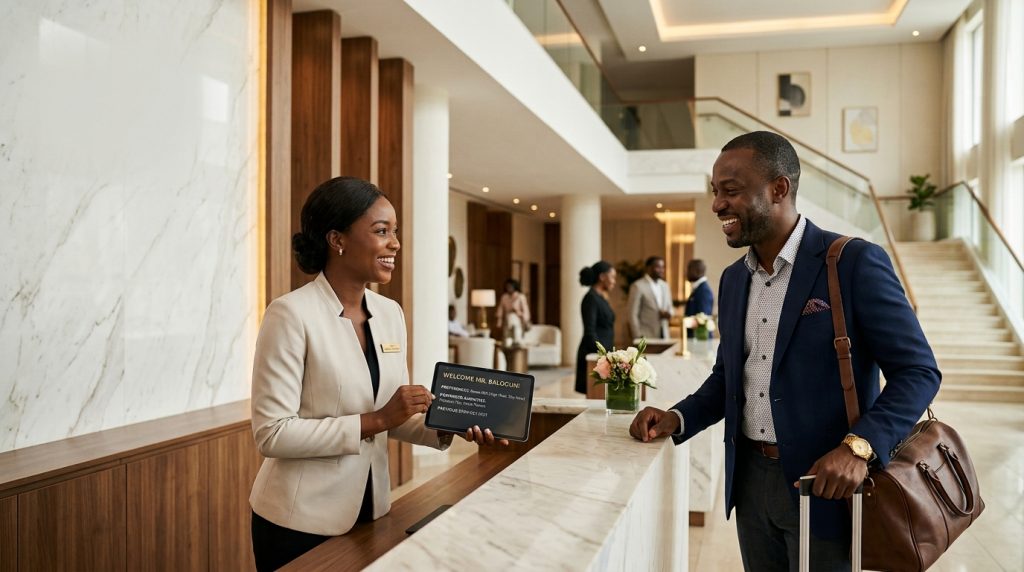
The Future of Guest Experience: Personalization Driven by Data Analytics
Guest experience used to mean something fairly simple, such as clean sheets, a warm welcome, someone at the front desk who smiled and meant it. A hotel manager once told me that this pattern used to be enough to keep guests coming back. These days, it isn’t. She started noticing something that quietly bothered her: guests who’d stayed three or four times were still being greeted like strangers, handed the same standard package, asked the same questions at check-in because there was nothing in her system that remembered any of it. Things like the room they always asked for or the breakfast they never touched. Nothing.
That gap between what a hotel technically knows about a guest and what it actually does with that knowledge is exactly where the future of hospitality is being decided.
Why this has quietly become a data problem
In 2026, 78% of hotel guests expect a personalized experience, yet only 25% of hotels consistently deliver one. That gap is wide enough to explain why some hotels earn fierce, almost stubborn loyalty, while others offer nearly identical rooms at nearly identical rates and quietly struggle to get anyone to come back.
The encouraging part is that guests aren’t holding back either. 83% say they’re willing to share personal information in exchange for a more personalized stay, as long as they feel some sense of control over how that information is used. So, the opportunity isn’t really about collecting more data. Most hotels already have plenty. It’s about actually using what’s already sitting there.
What changes when a hotel starts really using its data
- Personalization stops being a lucky guess: Analysing a guest’s profile, booking history, and past preferences lets a hotel tailor room upgrades, dining suggestions, and small touches to that specific person, instead of handing every guest the same generic welcome package regardless of what they’ve ever actually shown interest in.
- Loyalty turns into something you can actually see: Hotels that lean into personalization report up to a 20% increase in guest engagement; a one-time stay becomes a relationship a hotel can genuinely track and grow, instead of just hoping the guest remembers them fondly enough to come back on their own.
- Hotels stop reacting and start anticipating: Predictive analytics lets a hotel anticipate what a guest needs before they ever ask for it, such as the room type they always prefer, the dietary note from three stays ago, the length of stay they usually book, all surfacing automatically, instead of depending on a staff member’s memory or a guest having to repeat themselves.
- Feedback finally gets acted on, not just filed away: Reviews and satisfaction scores, tracked properly instead of skimmed occasionally, reveal exactly where service is quietly slipping early enough to fix it, rather than after it’s already become a pattern of complaints or a slow drop in return visits.
- Marketing starts feeling personal instead of generic: A returning business traveller and a first-time leisure guest shouldn’t get the same blanket promotional email. Segmenting guests by behaviour and preference means the message someone receives actually reflects who they are, not just that they’re on a mailing list.
Why getting this wrong costs more than it seems
This isn’t a soft, feel-good metric. 87% of guests say they simply won’t return after a stay that disappointed them, which means a missed personalization opportunity isn’t just an awkward check-in. It’s a guest quietly disappearing from a hotel’s future bookings, often without ever saying a word about why.
Meanwhile, hotel marketing in 2026 is increasingly built around pulling PMS data, website behavior, email engagement, and loyalty history into one unified guest profile, rather than treating each of those as separate, disconnected pieces. A hotel that keeps these systems apart is, without quite meaning to, choosing to know its guests less well than it actually could.
What this looks like when it’s done right
This is exactly the gap a connected system like eZee is built to close. Guest profiles, booking history, and preferences captured through eZee Absolute stay with each guest across every future stay, so a returning guest’s room preference, past requests, or loyalty status shows up automatically for staff, no digging through old records required. Paired with reporting that surfaces real guest behaviour patterns, a hotel can move from sending everyone the same generic message to actually treating each guest like the specific person they are, without needing a data science team on payroll to make it happen.
The real shift underway
None of this is really about collecting more data for its own sake. It’s about finally putting to use what most hotels already have b quietly sitting in a PMS, a booking history, a past conversation at the front desk — so every stay starts to feel less like a transaction and more like the hotel actually remembers who just walked in.
The hotels earning real loyalty in the years ahead won’t necessarily be the most luxurious ones. They’ll be the ones whose systems help them treat a fourth-time guest like a fourth-time guest — not like a stranger checking in for the first time, again.
Stop treating your fourth-time guests like first-timers. Reach out, book a free demo to see how connected guest profiles can change that.