
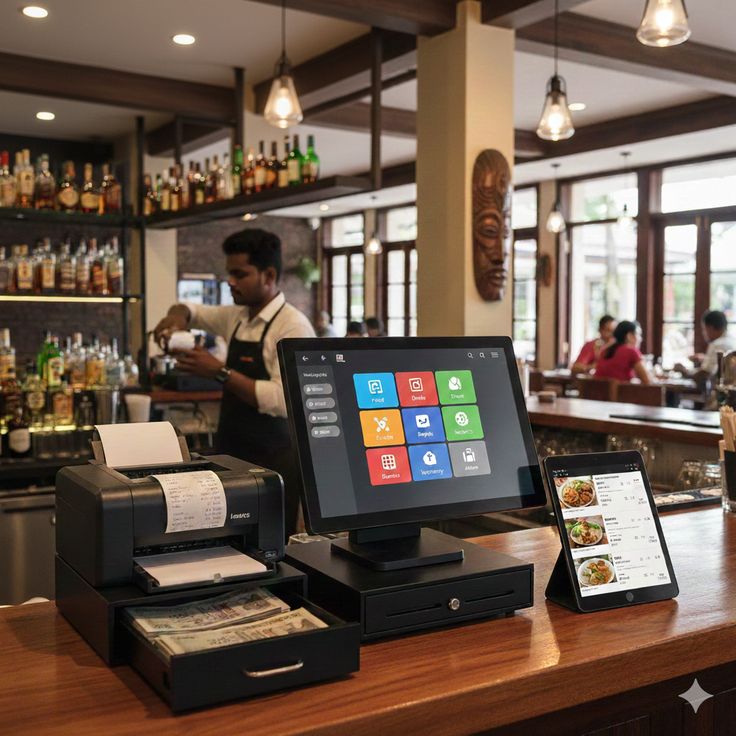
Walk into any busy Nigerian restaurant during rush hour, and you’ll instantly notice that everything is moving. The energy is fast, the pressure is real, and the margin for error is tiny. A waiter delays an order by two minutes, and the entire table loses patience. A kitchen mistake costs money immediately. A POS glitch shows up right in front of guests.
Restaurants run on speed while hotels run on process, and that difference is why restaurants are adopting technology much faster.
In restaurants, every second matters. Orders come from everywhere at once: walk ins, deliveries, phone calls, and online platforms. The staff is juggling requests, modifying orders, calling out to the kitchen, checking stock, printing bills, managing takeouts, and trying to stay calm in the middle of the storm.
Meanwhile, the kitchen is working with its own chaos: missing ingredients, mixed-up Kitchen Order Tickets (KOTs), sudden menu changes, delayed tickets, and pressure from impatient diners. A single mistake can choke the entire workflow.
This gap between the speed customers expect and the speed the restaurant can produce is where stress builds. Not because the staff is not competent, but because the old methods can’t keep up with the modern pace of dining.
Orders get mixed up. Food arrives late. Drivers wait too long. Stock finishes without warning. Bills don’t tally. All these are felt instantly by the guests. Restaurant mistakes don’t hide.
Hotels, on the other hand, have little room to breathe. A guest waiting a few more minutes for check in isn’t the same as a hungry customer waiting for food. Restaurants don’t have the luxury to be slow; their service is judged in real time.
This is why the smartest restaurants are embracing automation quickly, because the pressure leaves them no choice. When order flow is digital, when the kitchen receives updates immediately, when billing syncs instantly, and when inventory updates without guessing, everything becomes lighter.
And this is exactly the kind of gap modern tools quietly fix. A system like eZee Optimus helps restaurants sync front desk, kitchen, inventory, and delivery operations in real time. With this:
▪ Orders become cleaner.
▪ Kitchen work becomes clearer.
▪ And guests stop feeling the stress behind the scenes.
Once the noise settles, the restaurant can finally focus on what truly matters. The good service, good food, and good experiences.
Because at the end of the day, diners don’t judge a restaurant by how stressful the kitchen is. They judge by how smoothly their meal arrives. And the restaurants bridging the gap with better coordination and modern tools are the ones winning the hearts (and the return visits) of Nigerian customers.